As the Baby Boomers generation enters retirement and we approach a novel time in our nation’s existence when there will be more people over the age of 65 than any other age group, just about everyone is searching for the magic method to prolong quality of life as we age. Diet and exercise are always at the forefront of the conversation, but new research is suggesting that social and emotional factors may play a pretty significant part as well.
Scientists have known for some time that social interaction (or lack thereof) may be linked in some way with dementia, chronic disease and risk of early death as we age. But without a clear mechanism or evidence of a causal relationship, the question has always been which one comes first. Does social isolation perpetuate cognitive decline, or does development of dementia hinder sociability?
A recent study in the Journal of the International Neuropsychological Society brings new light to this debate, showing that the rate of cognitive decline in the most socially active older adults was 70% lower than that of their least social peers. The study followed more than 1100 individuals without dementia at onset, average age 79.6, for up to 12 years. By continually measuring social activity and global cognitive function, the results actually conveyed a dose-response relationship between social activity and cognitive decline. Basically, a little social interaction made a little difference, and a lot of social activity made an even larger difference!
So what can we learn from this? While diet and exercise will always be large players in the game of aging well, the more recently revealed mind-body power of emotional and social vitality might have an equal stake. So no matter how busy our lives get and how much our social circles shrink as we age, we all must take the time to be the social individuals we evolved to be: go out with friends, join a local group or club, convene with family and never let go of those that you love and love you.
James B., Wilson RS., Barnes LL. And Bennett DA. Late-Life Social Activity and Cognitive Decline in Old Age. Journal of the International Neuropsychological Society. 2011, 17:1-8.
For more tips on nutrition, exercise, and healthy living, contact your personal health coach at mygpns.com.
Link to article sited above (http://journals.cambridge.org/abstract_S1355617711000531)

Saturday, May 21, 2011

Thursday, May 19, 2011
Monday, May 16, 2011
A Recipe To Rev You Up!
 While there may be virtually hundreds of energy bar products on the market designed for consumption before or after exercise, sometimes the best and healthiest way to get just what you want is to create your own. The recipe this week is an energy bar specifically designed to fuel your workout. When preparing for an activity involving 30+ minutes of vigorous exercise or 60+ minutes of moderate intensity exercise, the right pre-workout snack can mean the difference between your personal best and a mid-run bonk (hitting the proverbial wall)!
A single calorie-dense square of this bar packs a punch of readily usable carbohydrates from whole grains and natural sweeteners, along with a moderate dose of healthy fat, fiber and protein from flax seeds and sesame tahini. Best of all, they’re small so you won’t feel too full while you’re running. Try one about 60 minutes before your workout and then go burn it up!!
Nutty Carrot Energy Bars
Total Prep/Cook Time: 45 minutes
Yield: 16 bars
Ingredients:
2 cups whole wheat pastry flour
2 cups rolled oats
1 tablespoon cinnamon
½ teaspoon allspice
½ teaspoon sea salt
1 cup real maple syrup
½ cup safflower or canola oil
½ cup sesame tahini
1 tablespoon fresh grated ginger
1 cup grated carrots
¼ cup whole flax seeds
½ cup raisins
Instructions:
Preheat oven to 350 degrees. Combine the flour, oats cinnamon, allspice and salt in a large bowl. Then combine the maple syrup, oil, tahini and ginger in a separate bowl and mix well. Then add the wet ingredients to the dry ingredients and mix thoroughly to remove any lumps of flour. Then fold in the carrots, flax, walnuts and raisins until mixed evenly throughout.
Oil an 8”x8” baking dish and pour batter into dish, being sure to distribute it evenly in all areas. Bake at 350 for 25 minutes. Verify doneness by sticking with a toothpick – it should come out clean. Cool completely in the pan (about 1 hour) before cutting into squares.
Friday, May 6, 2011
Are your work and life in balance?

If you’re feeling overworked and are finding it more challenging than ever to juggle the demands of your job and the rest of your life, you’re not alone! Enjoy these simple tips below for maintaining a balance in your life.
Create routines. A schedule keeps you on track and allows time to complete all the essentials in a day.
Build downtime into your schedule. When planning your week, make it a point to schedule time with your family and friends and other activities that help you recharge.
Learn to say “no.” Understand your limits and learn to say no when you are overwhelmed.
For more tips on work-life balance, nutrition, and exercise, contact your coach at http://www.mygpns.com/ today!
Debbie Fife, MS
Thursday, April 14, 2011
Spring Greens Are Here At Last
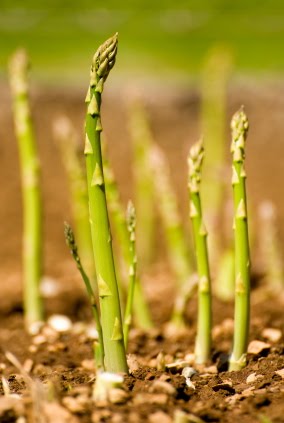 With the start of spring comes the beginning of the summer growing season for fruits and vegetables. Asparagus is a quintessential sign of spring and serves to kick off this joyous time of year every April. While asparagus can usually be purchased year round sourced from other parts of the world, it tastes best (and it is cheapest) when grown fresh and in season near your home.
 This crispy flavorful vegetable is an excellent source of fiber, folate, potassium, Vitamin C and carotenoids. It stands up to a multitude of cooking methods including grilling, roasting, steaming, sautéing or blanching. When purchasing asparagus, the most important thing is to be sure it is fresh! As soon as the plant is cut from the ground a process ensues that converts the sweet sugars in the stalk to starches that provide an unpleasant woody texture – not good eating! Choose asparagus that are a rich green color (unless they are the white variety), have firm stalks and tightly closed tips. If possible, eat your asparagus the day you purchase it, or store it for up to two days. Whether as a simple side or the main event of a spring meal, be sure you take the time to enjoy this fleeting spring vegetable while it’s around this year. Try the simple recipe below to get started!
Asparagus, Peas and Basil

Total Prep/Cook Time: 30 minutes
Yield: 6 Servings
Ingredients:
3 tablespoons extra virgin olive oil
¼ cup finely chopped shallots
2 pounds fresh asparagus, cut into 1in pieces
2 ½ cups fresh (or thawed frozen) green peas
½ teaspoon sea salt
¼ teaspoon fresh cracked black pepper
¾ cup torn basil leaves
Instructions:
Heat a large heavy bottomed skillet (cast iron is great) over medium heat. Add olive oil and cook shallots, stirring frequently about 4 minutes. Stir in asparagus, peas, sea salt and pepper. Cover skillet tightly and continue to cook over medium heat for about 8 minutes, until vegetables are tender but slightly al dente. Stir in torn basil and serve.
Recipe courtesy of Ursula Ferrigno, Gourmet Magazine April 2008 via Epicurious.com.
Wednesday, April 6, 2011
Friday, April 1, 2011
Drinking too much?

Drinking too much alcohol can lead to health problems, including alcohol poisoning, hangovers, and an increased risk of heart disease. This April, during Alcohol Awareness Month, myGPNS encourages you to take this time to educate yourself and your loved ones about the dangers of alcohol abuse.
Warning Signs of Alcohol Abuse
If you answer “yes” to any of the following questions, you may have a problem with alcohol:
• Do you drink alone when you feel angry or sad?
• Does your drinking ever make you late for work?
• Does your drinking worry your family?
• Do you ever drink after telling yourself you won’t?
• Do you ever forget what you did while drinking?
• Do you get headaches or have a hangover after drinking?
To spread the word and prevent alcohol abuse, myGPNS is joining other organizations across the country to honor Alcohol Awareness Month to prevent alcohol abuse in our community. If you are drinking too much, you can improve your health by cutting back or quitting. Keep track of how much you drink, avoid places where overdrinking occurs, and find new ways to deal with stress. If you are concerned about someone else’s drinking, offer to help.
For more personalized health information, visit myGPNS and contact your personal health coach.
Subscribe to:
Posts (Atom)